Aquaponics is a sustainable method of raising both fish and vegetables. It is popular with individuals, entrepreneurs, educators, missions and governments. Furthermore, with this type of indoor farming, you grow substantially more food with less water, land and labor than traditional agriculture.
The factor that can act as a restraint in the growth of the market is the high cost of initial setup of aquaponics system and the high investment for technological system installation especially in emerging economies may hamper the aquaponics market. However, the increasing demand of enhancement in urban farming methods and off-season availability of fruits & vegetables will create new opportunities in the market of aquaponics in the forecast period.
Download Sample PDF
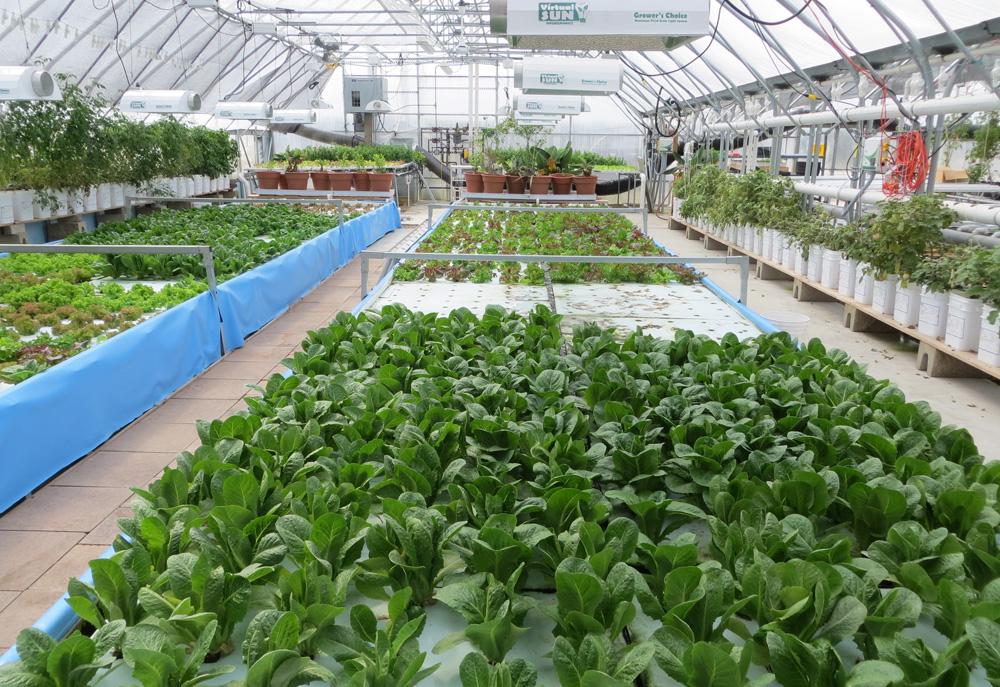
Aquaponics is a combination of hydroponic and aquaculture systems, which grows plants and fish together in one unified system. The cycle of aquaponics includes the waste produce by fishes which is being used as organic food for plants and then these plants will naturally filter the water, which will be used for the fishes again. The rise in the demand of organic fruits and vegetables, and these systems permit agriculture to take substantial steps toward environmental sustainability are the drivers of aquaponics market.
List of Top Companies
Ultrasonics Canada Corporation, Aquaponic Lynx LLC, Backyard Aquaponics Pty Ltd, ECF Farmsystems GmbH, Nelson & Pade Inc., Urban Farms AG, Greenlife Aquaponics, The Aquaponic Source, My Aquaponics, and Colorado Aquaponics among others.
Aquaponics refers to any system that combines conventional aquaculture (raising aquatic animals such as snails, fish, crayfish or prawns in tanks) with hydroponics (cultivating plants in water) in a symbiotic environment. In normal aquaculture, excretions from the animals being raised can accumulate in the water, increasing toxicity. In an aquaponic system, water from an aquaculture system is fed to a hydroponic system where the by-products are broken down by nitrifying bacteria initially into nitrites and subsequently into nitrates that are utilized by the plants as nutrients. Then, the water is recirculated back to the aquaculture system.
 Aquaculture