Seafood, specifically fish is the part of traditional food in many regions. Also, fish is largely consumed owing to its nutritional benefits and several health benefits. It is considered as a good source of fatty acids, vitamins, minerals, protein, and essential micronutrients. Increase in disposable income and spending power of consumer also upsurge their spending on animal proteins such as seafood as compared to other food categories. Also, the Food and Agriculture Organization (FAO) has predicted that fish consumption by a human is expected to increase by 50% in the coming 15 years.
Get Sample Copy of Research
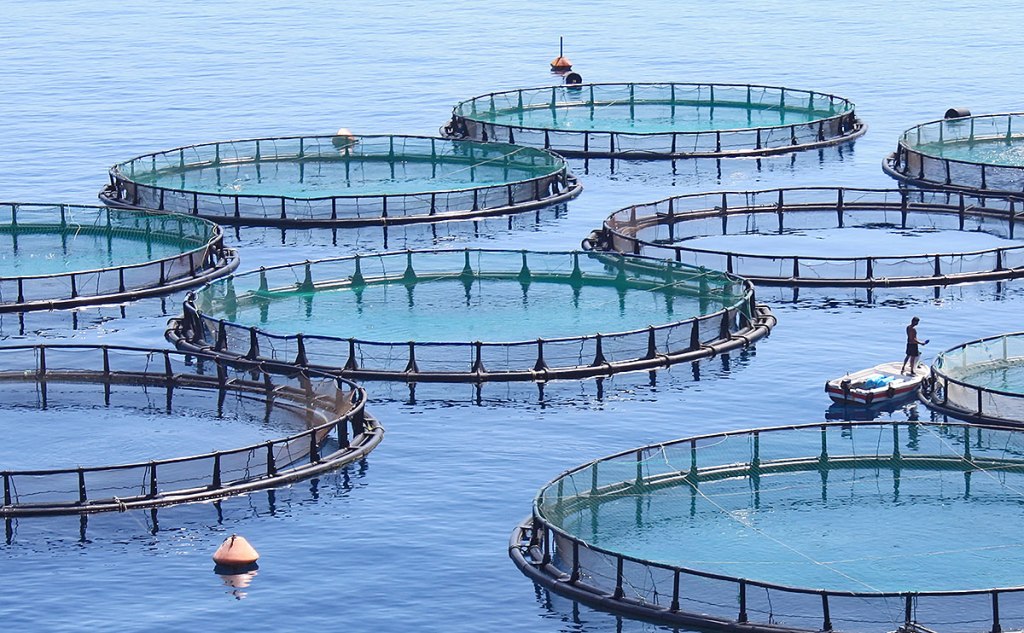
Currently, high growth in population and growing awareness amongst consumer about the seafood as a healthy source of protein have fueled the growth of aquaculture market. Along with this, the increase in purchasing power of people in developing nations has also supported the market growth. Wild fisheries are not sufficient to meet the global demand for seafood. Thus, aquaculture is a suitable solution, which is the fastest-growing form of food production. Thus, the global increase in fish consumption is driving the growth of the aquaculture market.
Some of the key players in the global aquaculture market include
Bakkafrost, Blue Ridge Aquaculture, Inc., Cermaq, Group AS, Cooke Aquaculture Inc, Danish Salmon A/S, Farallon Aquaculture Group, FIFAX AB, HESY Aquaculture B.V, Lerøy, Mowi ASA, NIRI AS, Selonda Aquaculture SA, Stolt-Nielsen Limited, TASSAL, and Thai Union Group PCL, among others.
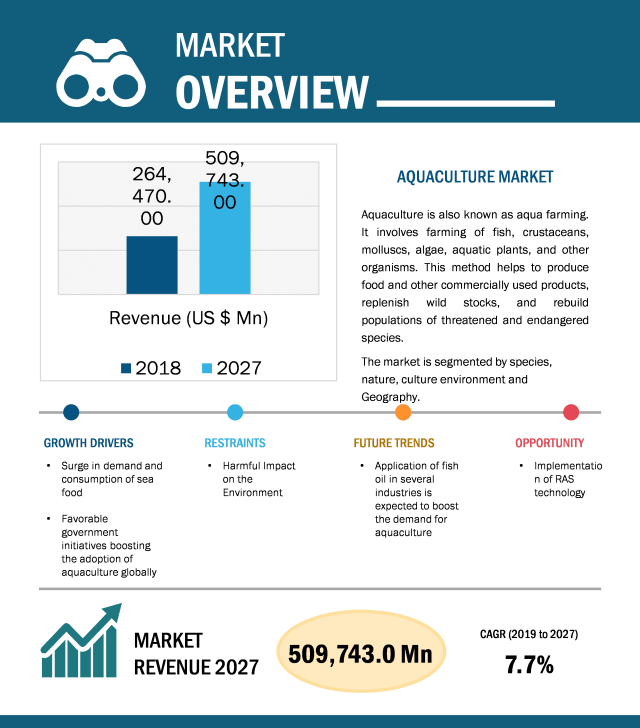
Cultural Environment Insights
The global aquaculture market on the basis of cultural environment is segmented into freshwater, brackish water, and marine. The marine segment accounted for the largest share in the global aquaculture market. Marine aquaculture involves the cultivation of marine organisms for food and other products in the open ocean or in tanks and ponds which are filled with seawater. The different type of fishes raised in the marine aquaculture includes finfish and shellfish like prawns, or oysters and seaweed in saltwater ponds. Non-food products produced by include fish meal, nutrient agar, jewelry, and cosmetics. Marine aquaculture has rapidly expanded over the past few years due to improvements in formulated feeds, new technology, growing biological understanding of farmed species, increased water quality within closed farm systems, and greater demand for seafood products. These factors are projected to propel the growth of the aquaculture market over the forecast period.
Source: The Insight Partners
 Aquaculture