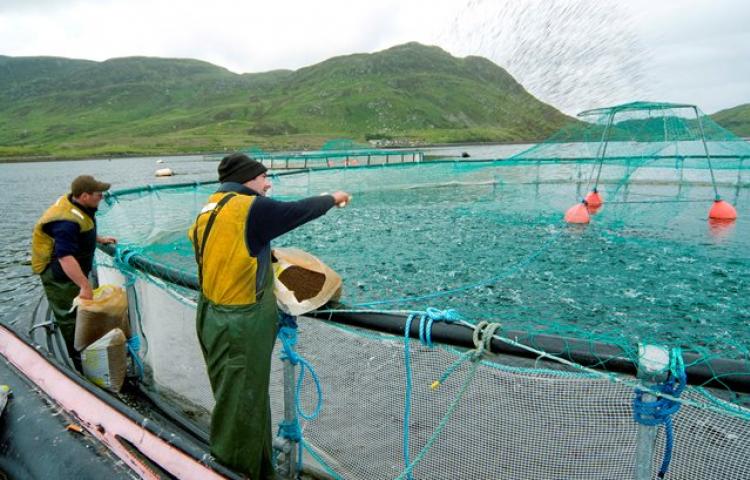
The vaccine is used to establish or improve the immunity against a specific disease or group of diseases. In aquaculture practices, there is always a chance of pathogenic outbreaks, which will affect the production of the farm. Aquaculture vaccines are used to protect the fishes from any pathogen.
The development of a strong aquaculture industry is dependent, in part, on advances in the diagnosis and treatment of fish diseases such as vibriosis. Vaccination is one method of lowering the risks associated with the occurrence of disease. The vaccination of large populations of marine animals, however, presents special problems and considerations. The delivery methods employed, for example, must be effective not only from the point of view of protection against infection but they must also be cost-effective. This review attempts to assess some of the currently employed vaccine delivery methods, as well as describing emerging technologies which may have application in the aquaculture industry.
Download Sample Copy Of Research Study
The aquaculture vaccines market is anticipated to grow in the forecast period owing to growth in aquaculture farming practices, regulations and restrictions on the use of antibiotics in aquaculture, increasing research and development activities and growing prevalence of viral and bacterial infections in aquaculture species.
List of Top Companies Analysis:
Benchmark Holdings, HIPRA, Intervet Inc. (Merck & Co. Inc.), Nisseiken, Ridgeway Biologicals Ltd, Company (IDT Biologika), Tecnovax, Vaccibody, VETERQUIMICA , Virbac, Zoetis
Basically, two approaches to disease prevention that historically have been used in other animal industries are vaccines and immunostimulants. Both approaches have been used successfully in some aquaculture industries, and should be considered fish health management options. This publication will address vaccine use; immunostimulants will be discussed in another publication.
Have vaccines been used in fish?
Vaccines have been used in food fish, in particular the salmon industry, for approximately 30 years, and are believed to be one of the main reasons that salmon production has been so successful. Vaccination of salmon also dropped the industry’s use of antibiotics to a mere fraction of its original use (Sommerset et al 2005). In Norway, for example, in 1987, before widespread use of vaccines, approximately 50,000 kg of antibiotics were used. By 1997, when vaccines had become more routine, antibiotic usage had dropped to less than 1000-2000 kg (Sommerset et al. 2005).
 Aquaculture